Zeed Esthetics
Botox

Botox

Botox is the single most popular cosmetic treatment in the world, and has become a by-word for all things cosmetic, injectable and anti-ageing!
Wrinkle reduction and reversing the signs of ageing
The appearance of wrinkles and lines in the face is the most obvious and recognisable sign of ageing. This occurs due to the skin becoming thinner and losing its strength, as well as the facial muscles becoming more tense and creating more aggressive expression lines.
Why do wrinkles appear?
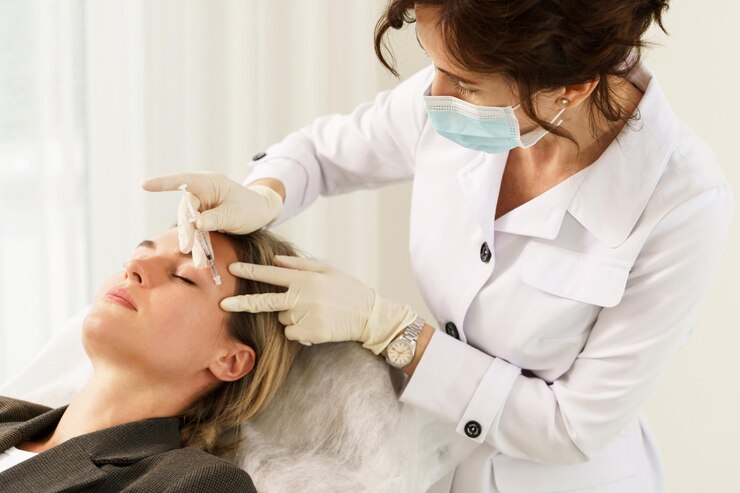
Your face has dozens of small muscles that move and create your facial expressions. However, when these muscles become very strong and over-expressive, they start to produce wrinkles and, with time, these wrinkles start to become ingrained in your skin. Botulinum toxin (marketed as Botox, Azzalure, Bocouture) is a substance that is injected under the skin, with the aim of relaxing these overactive muscles and give you smoother, younger looking skin, which is free from harsh lines and wrinkles.
Which areas can be treated with Botox?
The typical areas that are treated with botox are the Frown lines (Botox between eyebrows), forehead wrinkles, Top of the nose (bunny lines), Eyebrows/hooded eyes , Around the eyes (crow’s feet), Lipstick lines, Chin Botox (to prevent dimpling), Jawline and neck, Jaw angle (teeth grinding – bruxism) and Under the eyes (tear trough).
Frown lines (Botox between eyebrows)
Glabella lines (frown lines) are the vertical creases that appear between the eyebrows, generating a tired or angry look. This is a very effective area on which to use BOTOX®. An experienced practitioner can subtly smooth these frown lines, resulting in a rejuvenated and more relaxed appearance. If the glabella lines are deep set, the practitioner is likely to recommend treatment with dermal filler in combination with Botulinum Toxin, which is a highly effective way to fill and smooth the area simultaneously. If you are still looking for your best anti-wrinkle injections practitioner, take a look at our dedicated blog where we share some great tips on how to tell if your Botox specialist is properly trained.

Forehead lines
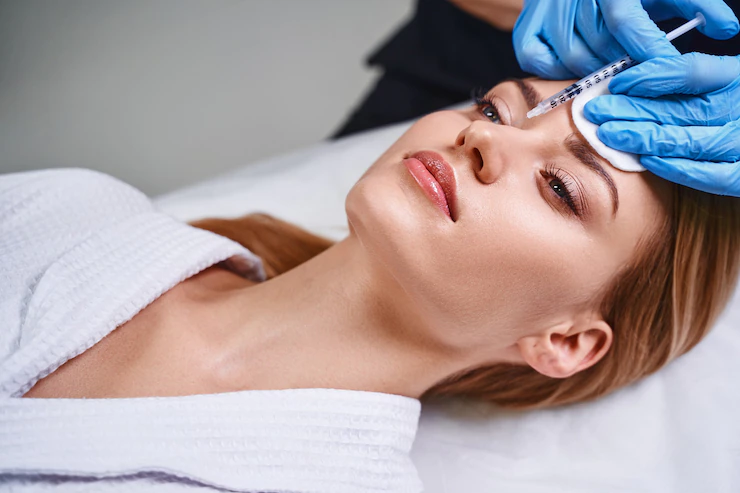
Forehead lines, also known as forehead wrinkles or ‘surprise lines,’ become more apparent as we age. Excessive lines on your forehead can give the face and skin an aged appearance.If you’re starting to see traces in your late 20s or early 30s it is best to consider exploring preventative treatment options. The more you wait to address your forehead wrinkles the more difficult it will be to achieve the best possible results.
Horizontal forehead lines are mostly due to genetic ageing. Sun damage or smoking can also result in the formation of creases that are deeper and more difficult to treat. Our anti-ageing injectables can lessen the effect of forehead wrinkles but may not remove the lines completely.
During your consultation, Dr. Hamudy zeed might recommend a combination of BOTOX® and another treatment, such as dermal fillers, micro-needling, or morpheus 8 .
Botox for ‘Bunny lines’ are the creases that appear when the nose wrinkles up; for example, when we sniff or smell something.The careful placement of anti-wrinkle injections at either side of the nose can reduce the appearance of these lines. An experienced practitioner should administer the injections as your smile can be affected if they are not carried out properly.
Botox for Eyebrows/hooded eyes
There is an advanced technique that can be used to sculpt and lift the eyebrows to form the shape you desire. Sometimes called a ‘chemical brow lift’ or ‘BOTOX® facelift’, this procedure involves an experienced practitioner placing injections in a careful combination of areas on the upper face to open up the eye area and lift droopy lids.
The brow is well supported and its position above the eye remains high on younger faces. However, the effects of ageing can cause the brow to drop, giving the eyelid a ‘hooded’ appearance. This can create horizontal folds in the surrounding skin.Botulinum Toxin Injections can be used very effectively to counteract this effect, raising and defining the eyebrows. However, it’s important to use the treatment sparingly in this area to avoid the recognisable overarched, ‘surprised’ look.
In any case, recent trends have favoured the ‘boy brow’, characterised by the natural-looking, low arch seen on celebrities such as Kristen Stewart and Emma Watson.But since every person’s face is unique, the precise placement of the injectable treatment and intended overall result will be determined with your practitioner during your consultation.
Around the eyes (crow’s feet)
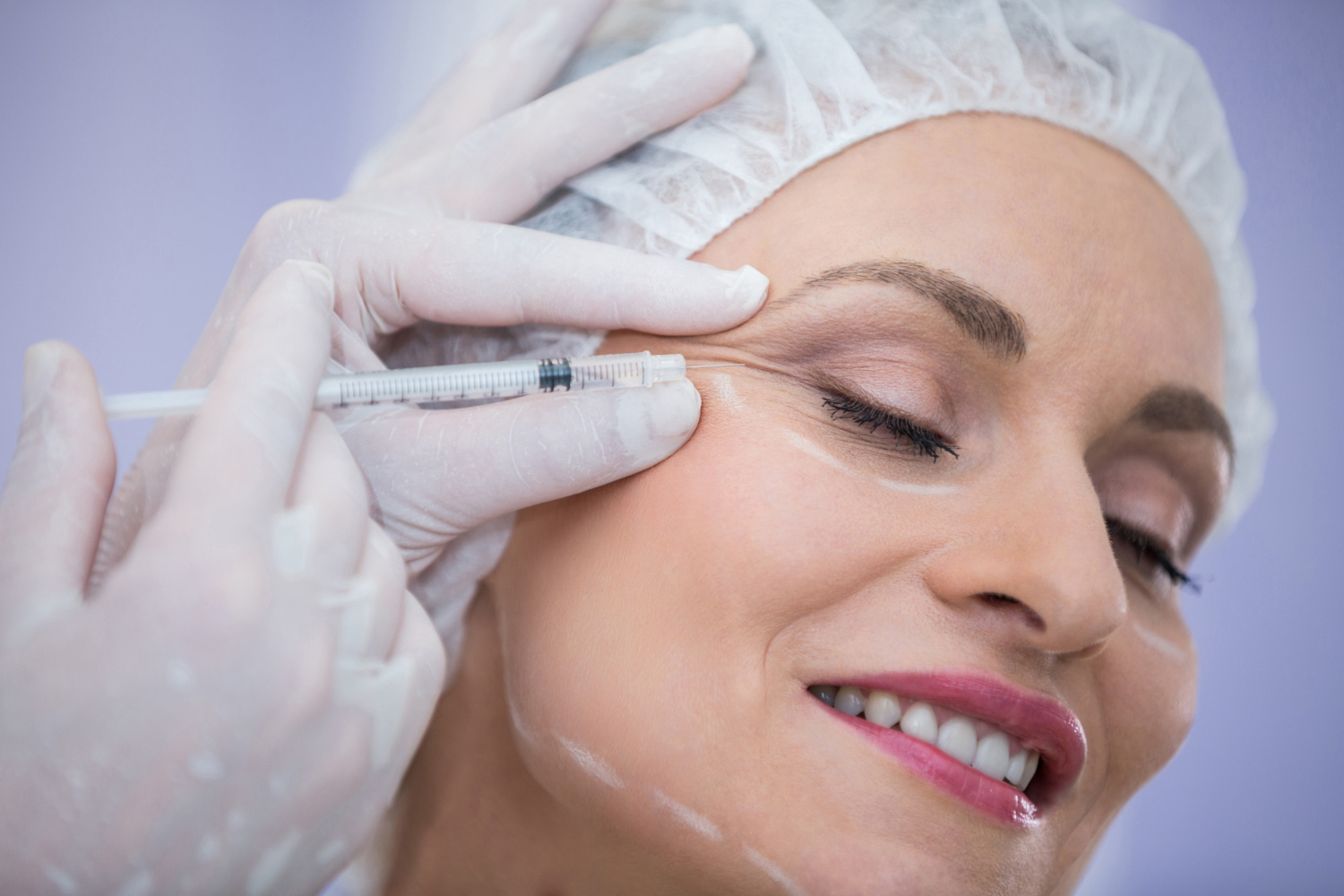
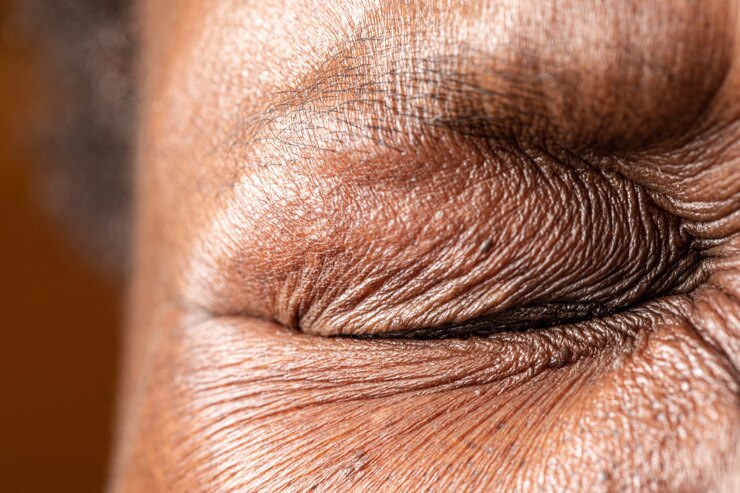
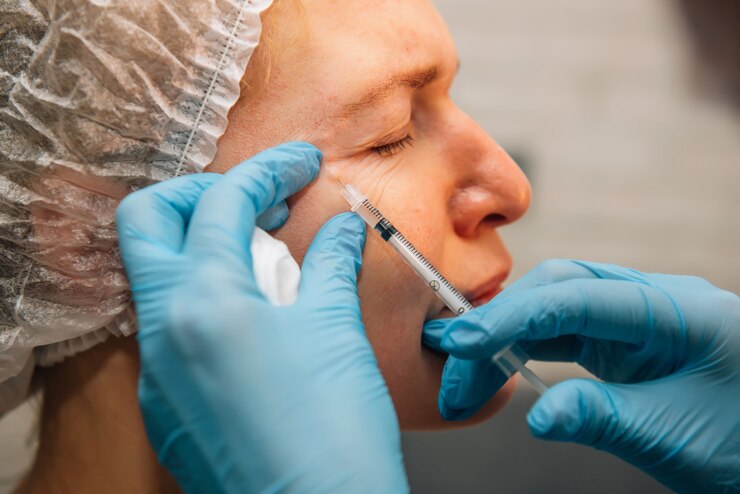
The appearance of fine lines, or ‘crow’s feet’ at the outer corners of the eyes, and their presence even when you’re not smiling, is often associated with ageing. However, BOTOX® is very effective in reducing their appearance. It’s therefore one of the most popular areas for the treatment.With careful assessment, anti-ageing injectables in this area can also help alleviate drooping eyelids – an effect that can make the eyes appear smaller.


Under the eyes (tear trough)
It is possible to smooth fine creases underneath the eyes using BOTOX®. However, the area must be approached with caution. The muscle that is injected is the same muscle that partially controls the lower eyelid. If too much is used, or the injection is placed incorrectly, it may lead to a drop of the lower eyelid.
If it is under-eye ‘bags’ that you wish to address – that is, the area between the lower eyelid and the upper cheek, or ‘tear trough – then it might be that a different treatment would be more effective than Botulinum Toxin, or could be used in combination with it.
For example, ‘bags’ under the eyes are often caused by loss of volume in the tear trough area, meaning dermal fillers may be more suitable. Alternatively, at The Cosmetic Skin Clinic we offer Ultherapy and Thermage® Eyes, which can also treat hollowing in the tear trough area.
Dr. Hamudy Zeed will be able to advise on the best course of treatment for your concern during the consultation.
Lipstick lines
The fine lines around the mouth or ‘lipstick lines’ become more apparent with age are another ageing concern. Most cosmetic practitioners would recommend treating these with dermal fillers rather than BOTOX®.
We use muscles in this area when we smile and for other facial expressions. Although some practitioners might use Botulinum Toxin injections to help turn the corners of the mouth up and improve a person’s smile, this is usually carried out in conjunction with dermal fillers.
For other lines around the mouth, most practitioners would recommend the use of dermal fillers to smooth the wrinkles, creating a refined surface to the skin with minimal, if any, risk.
Chin Botox (to prevent dimpling)
As we get older, the muscles in the chin, known as the mentalis muscles, become overactive – meaning they flex more often than they should, creating a dimpled, puckered appearance.
The following issues worsen the situation:
- Tissue loss, making the skin appear thinner
- Sun exposure
- Bone loss
- Gum recession
- Receding chin
Chin BOTOX® can be used to relax these muscles, thereby smoothing and reducing the overall dimpled effect.
Jawline and neck
Lines and wrinkles can develop on the neck as we age due to a number of factors, including:
- Genetics
- The effects of gravity on the skin
- Weakened collagen
- Overworked facial muscles
BOTOX® can be used to smooth the neck in a procedure known as the ‘Nefertiti lift’. It is effective at relaxing two types of lines around the neck:
Horizontal – As we get older, horizontal creases or bands naturally form on the neck. We can reduce these lines by injecting small amounts of Botulinum Toxin above and below the wrinkles wherever they appear – this could be all the way around the neck. Some practitioners refer to this as a BOTOX® ‘necklace’. These types of lines can be treated with a combination of injectables and dermal filler, such as Juvéderm.
Vertical – Some people, especially those who exercise a lot, develop rope-like vertical protrusions on their neck that are particularly apparent when they speak. The platysma muscles cause these bands to develop. They strengthen and grow through years of eating, straining and general tension in the jaw. The muscles extend from the top of the chest to the lower jawline and can be more apparent when a person smiles. We sometimes refer to sagging platysma muscles as a ‘turkey neck’.
However, we can smooth and relax these bands with a BOTOX® treatment.
Jaw angle (teeth grinding – bruxism)
Prolonged episodes of teeth grinding and jaw clenching – known as bruxism – can result in:
- Worn teeth
- Headaches
- Earaches
Bruxism occurs subconsciously, often during sleep. Sleep conditions, such as snoring and obstructive sleep apnoea (in which your natural breathing patterns are disrupted), have been linked to incidences of bruxism, as well as stress.
Bruxism may not be permanent; however, episodes often occur during times of great anxiety. Sufferers are also prone to overly clenching their jaw when concentrating particularly hard while awake.
BOTOX® injected into the jaw area can relax the muscles and effectively treat the condition.
Botox for excessive sweating
Botox is also very useful for treating excessive sweating – Hyperhidrosis. This is a common condition which leads to excessive sweating, especially in times of stress, like job interviews, public speaking and even wedding days! Hyperhidrosis can have debilitating social and psychological consequences, with sufferers having to avoid shaking hands or becoming restricted to wearing dark clothing that doesn’t expose the sweating. Botox is injected into the problem areas, typically under-arms, hands or even parts of the face, to produce a very welcome relief from hyperhidrosis, with results lasting 6 months or longer.
- What is Botox used for?
Wrinkle reduction, Facial and jawline slimming Bruxism and tension headaches, Hyperhidrosis Neck bands and lines
- Procedure Time
5-10 minutes
- Technique
Micro droplet injection
- Anesthesia
None required
- Recovery Time
None
- Pain Level
None to mild
- How often
3-4 times per year
- Results
within 7-10 days
- Cost
Depending on area and amount required
- Related treatments
PRP facials